Understanding Heat Pump SEER and HSPF Ratings: A Comprehensive Guide to Energy Efficiency and Performance Metrics
Heat pumps are essential for maintaining comfortable indoor climates, but understanding their efficiency ratings can be daunting. The Seasonal Energy Efficiency Ratio (SEER) and Heating Seasonal Performance Factor (HSPF) are critical metrics that help consumers gauge the performance and energy efficiency of heat pumps. This article will delve into the definitions, significance, and implications of these ratings, providing insights into how they affect energy consumption and utility bills. By the end, readers will have a comprehensive understanding of SEER and HSPF ratings, their impact on heat pump efficiency, and how to choose the right system for their needs. Practical decision-making also depends on your local climate, household usage patterns, and whether cooling or heating dominates your annual energy use.
What Are SEER and HSPF Ratings and Why Do They Matter?
SEER and HSPF ratings are standardized measures that indicate the efficiency of heat pumps in cooling and heating modes, respectively. SEER measures the cooling output during a typical cooling season divided by the total electric energy input during the same period, while HSPF measures the heating output during a typical heating season divided by the total electric energy input. These ratings are crucial because they directly influence energy consumption, operational costs, and environmental impact. Higher ratings indicate more efficient systems, which can lead to significant savings on utility bills. The ratings come from standardized laboratory test procedures, so they provide a common basis for comparing models, though real-world performance can vary with installation and usage.
Further research delves into the methodologies for measuring and simulating these critical performance metrics, highlighting areas for potential energy savings.
Hely Heating and Air Conditioning emphasizes the importance of selecting heat pumps with high SEER and HSPF ratings to maximize energy efficiency and reduce long-term costs. By investing in high-efficiency heat pumps, homeowners can enjoy enhanced comfort while minimizing their environmental footprint. When comparing models, consider manufacturer warranties, expected maintenance needs, and independent performance reviews to get a realistic picture of lifetime operating costs.
Defining SEER: Seasonal Energy Efficiency Ratio Explained
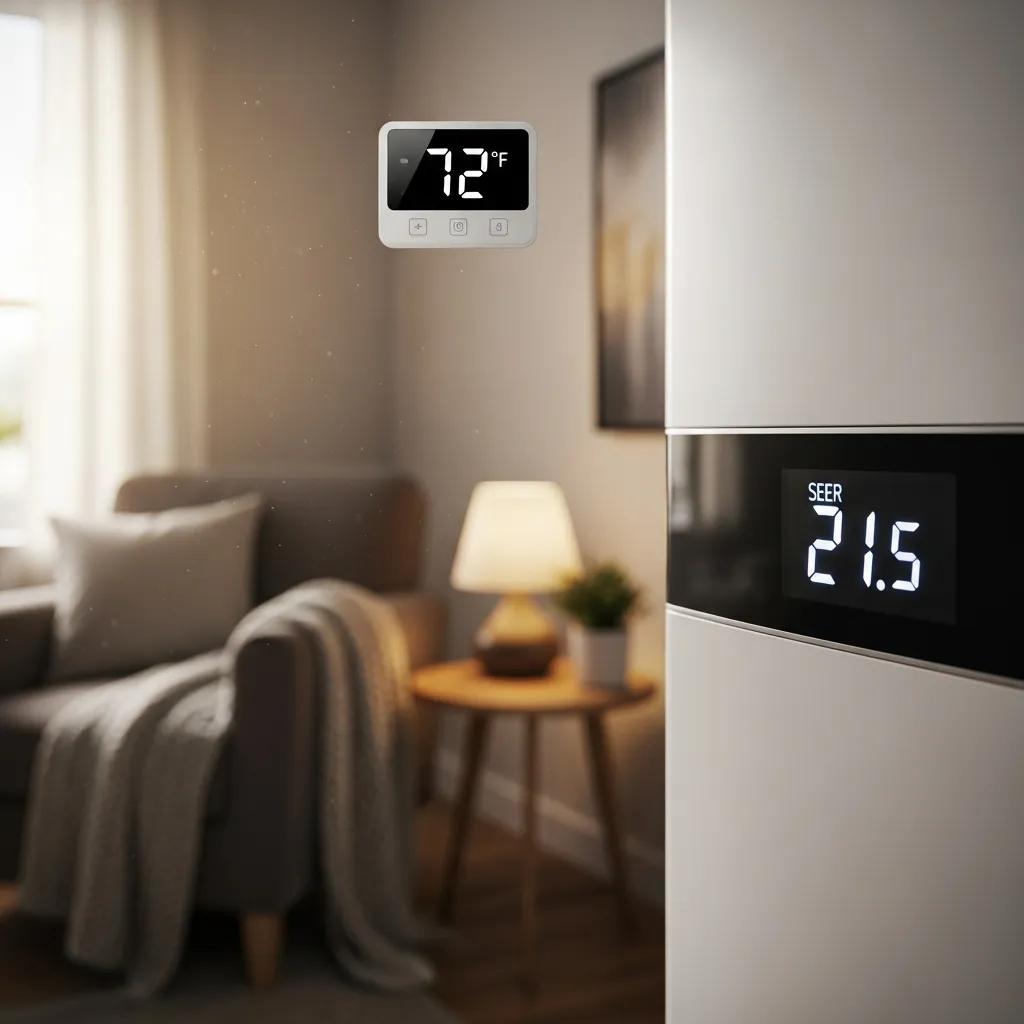
The Seasonal Energy Efficiency Ratio (SEER) is a critical metric for evaluating the cooling efficiency of heat pumps. It is calculated by dividing the total cooling output (measured in BTUs) by the total energy consumed (measured in watt-hours) during a typical cooling season. A higher SEER rating indicates a more efficient system, which translates to lower energy costs for homeowners. Keep in mind that ductwork condition, thermostat settings, and system sizing all affect how closely a given installation will achieve the published SEER value in daily use.
For example, a heat pump with a SEER rating of 16 is more efficient than one with a rating of 13. This difference can lead to substantial savings on energy bills over time, especially in regions with long cooling seasons. Additionally, systems with higher SEER ratings often provide better comfort levels, as they can maintain desired temperatures more effectively. When evaluating options, consider both the SEER number and practical installation factors that influence real-world efficiency.
Understanding HSPF: Heating Seasonal Performance Factor Meaning
The Heating Seasonal Performance Factor (HSPF) measures the efficiency of heat pumps in heating mode. It is calculated by dividing the total heating output (in BTUs) by the total energy consumed (in watt-hours) during a typical heating season. Similar to SEER, a higher HSPF rating indicates a more efficient system, which can lead to lower heating costs. HSPF helps compare systems in cooler months but does not capture supplemental electric resistance heating or defrost-cycle energy, both of which can affect seasonal energy use.
For instance, a heat pump with an HSPF rating of 9.0 is more efficient than one rated at 7.7. This efficiency can significantly impact energy bills, particularly in colder climates where heating demands are higher. Homeowners should consider HSPF ratings when selecting heat pumps to ensure they choose systems that will provide reliable heating while minimizing energy consumption. If you live in a climate with frequent sub-freezing temperatures, also review manufacturer guidance about low-temperature performance and auxiliary heat strategies.
How Do SEER and HSPF Ratings Impact Your Heat Pump's Energy Efficiency?
Understanding the relationship between SEER and HSPF ratings and energy efficiency is essential for homeowners looking to optimize their heating and cooling systems. These ratings not only affect energy consumption but also influence the overall performance and longevity of heat pumps. Regular maintenance and correct installation help systems approach rated efficiency and reduce premature wear that would otherwise lower seasonal performance.
Correlation Between Ratings and Energy Savings in Residential and Commercial Settings
Higher SEER and HSPF ratings correlate with increased energy savings in both residential and commercial settings. For instance, a heat pump with a SEER rating of 20 can save homeowners a significant percentage on cooling costs compared to a unit with a SEER of 14. Similarly, a heat pump with an HSPF of 10 can lead to notable savings on heating expenses. When comparing models, consider the total cost of ownership: a higher-efficiency unit often costs more up front but can reduce operating expenses over the system’s lifetime.
In commercial settings, the impact of these ratings is even more pronounced, as businesses often face higher energy costs. Investing in high-efficiency heat pumps can result in substantial savings over time, making them a wise choice for both residential and commercial property managers. Facility managers should combine efficiency ratings with load calculations and usage patterns to prioritize upgrades that return the best long-term value.
Local Climate Effects on Heat Pump Performance in St Louis and Jefferson Counties
The local climate plays a significant role in the performance of heat pumps. In St Louis and Jefferson Counties, where temperature fluctuations can be extreme, selecting heat pumps with high SEER and HSPF ratings is crucial. During hot summers, a high SEER rating ensures efficient cooling, while a high HSPF rating provides effective heating during cold winters. Balancing both metrics helps households that experience both severe summers and cold winters avoid trade-offs that could raise overall annual energy use.
Homeowners in these regions should consider the specific climate conditions when choosing heat pumps. Systems designed for local climates can enhance energy efficiency and comfort, ultimately leading to lower utility bills and improved system reliability. Consulting an experienced HVAC contractor for a site-specific load calculation will help match equipment to your home and climate for the best seasonal performance.
What Are the Recommended SEER and HSPF Ratings for Optimal Heat Pump Performance?
To achieve optimal performance, homeowners should be aware of the recommended SEER and HSPF ratings for heat pumps. These standards are based on industry research and guidelines that aim to promote energy efficiency and sustainability. Choosing equipment that exceeds minimum recommendations can improve comfort and lower energy bills, but the marginal benefit per rating point may decline at very high efficiency levels.
Industry Standards and Recent Studies on Efficient Heat Pump Ratings
Current industry standards recommend a minimum SEER rating of 14 for residential heat pumps, with higher ratings being preferable for energy efficiency. For HSPF, a minimum rating of 8.2 is recommended. Recent studies indicate that heat pumps with SEER ratings of 16 or higher and HSPF ratings of 9.0 or higher can provide significant energy savings and improved comfort levels. When selecting a system, consider how long you plan to stay in the home and how quickly efficiency gains will offset any additional purchase price.
These standards are continually evolving as technology advances, and homeowners should stay informed about the latest recommendations to ensure they select the most efficient systems available. Periodic professional energy audits can help verify whether an upgrade is likely to generate meaningful savings for your household.
Comparing Energy Star Heat Pumps and Their Efficiency Metrics
Energy Star-certified heat pumps are designed to meet strict energy efficiency guidelines set by the U.S. Environmental Protection Agency. These systems typically have higher SEER and HSPF ratings than non-certified models, making them an excellent choice for homeowners seeking to reduce energy consumption. Energy Star certification also often indicates better baseline performance in off-design conditions and may include features such as improved controls or reduced standby losses.
For example, Energy Star heat pumps often feature SEER ratings of 15 or higher and HSPF ratings of 8.5 or higher. By choosing Energy Star-certified models, homeowners can benefit from lower energy bills and contribute to environmental sustainability. Consider looking for models with additional features such as variable-speed compressors and compatibility with smart thermostats to further improve real-world efficiency.
How Can Professional Installation and Maintenance Improve Heat Pump Efficiency?
Professional installation and regular maintenance are crucial for maximizing the efficiency of heat pumps. Properly installed systems operate more effectively, while routine maintenance ensures they continue to perform at optimal levels. Small installation errors, improper refrigerant charge, or incorrect airflow can reduce the realized SEER and HSPF regardless of the unit’s rated performance.
Role of Expert Heat Pump Installation in Maximizing SEER and HSPF Benefits
Expert installation is essential for ensuring that heat pumps operate efficiently. Professionals can assess the specific needs of a home, recommend the right size and type of heat pump, and ensure that the system is installed correctly. This attention to detail can significantly impact the SEER and HSPF ratings, leading to improved energy efficiency and lower utility costs. Always ask potential installers for load calculations, references, and evidence of relevant certifications before hiring.
Hely Heating and Air Conditioning specializes in heat pump installation, providing homeowners with the expertise needed to maximize the benefits of their systems. By choosing professional installation, homeowners can enjoy enhanced comfort and energy savings. Look for installers who provide post-installation performance verification to confirm the system meets expected efficiency targets.
Maintenance Plans to Sustain High Efficiency and Reduce Breakdowns
Regular maintenance is vital for sustaining the efficiency of heat pumps. Maintenance plans typically include routine inspections, cleaning, and performance checks to ensure that systems operate at peak efficiency. Neglecting maintenance can lead to decreased performance, higher energy costs, and increased risk of breakdowns. A proactive maintenance schedule also helps identify small issues—such as refrigerant leaks or worn components—before they cause major failures.
Hely Heating and Air Conditioning offers comprehensive maintenance plans designed to keep heat pumps running smoothly. By investing in regular maintenance, homeowners can extend the lifespan of their systems and maintain optimal energy efficiency. Many maintenance plans include seasonal tune-ups timed to prepare the system for high-use periods.
What Financing Options Are Available to Upgrade to High-Efficiency Heat Pumps?
Upgrading to high-efficiency heat pumps can be a significant investment, but various financing options can make it more affordable for homeowners. Weigh financing costs against projected energy savings and available incentives to determine the most cost-effective approach.
Flexible Financing Solutions for Affordable Heat Pump Upgrades
Many HVAC providers, including Hely Heating and Air Conditioning, offer flexible financing solutions to help homeowners afford high-efficiency heat pumps. These options may include low-interest loans, payment plans, and special promotions that make upgrading more accessible. When evaluating offers, compare total repayment cost and whether the provider requires a long-term contract.
Homeowners should explore these financing options to find a plan that fits their budget while allowing them to invest in energy-efficient systems that will save money in the long run. Combining financing with available rebates often brings the net cost into a more attractive range.
Local Incentives and Rebates Supporting Energy-Efficient Installations
In addition to financing options, homeowners may also qualify for local incentives and rebates that support energy-efficient installations. These programs can significantly reduce the upfront costs of upgrading to high-efficiency heat pumps. Check local utility websites and state energy office resources for current offers and eligibility rules.
Hely Heating and Air Conditioning can assist homeowners in navigating available incentives and rebates, ensuring they take full advantage of financial support for their energy-efficient upgrades. Working with a contractor who is familiar with rebate programs can streamline application and documentation requirements.
How to Troubleshoot Common Heat Pump Problems Affecting Efficiency?
Even the most efficient heat pumps can experience issues that affect their performance. Understanding common problems and how to troubleshoot them can help homeowners maintain optimal efficiency. Early detection and simple corrective steps often prevent larger repairs and energy waste.
Identifying Issues That Lower SEER and HSPF Performance
Dirty Air Filters : Clogged filters restrict airflow, reducing efficiency. Regularly changing or cleaning filters can improve system performance and air quality.
Refrigerant Leaks : Low refrigerant levels can hinder cooling and heating performance. Prompt detection and repair of leaks ensure optimal operation and prevent costly damage.
Thermostat Malfunctions : Incorrect thermostat settings or faulty devices can lead to inefficient operation. Ensuring proper calibration and functionality helps maintain desired comfort levels.
Blocked Coils or Debris : Outdoor unit coils blocked by leaves or dirt reduce heat transfer and force the system to work harder. Periodic cleaning of the outdoor unit helps preserve rated efficiency.
Faulty Sensors or Controls : Misreading sensors or control board issues can cause short cycling or incorrect run times. Professional diagnostics identify and correct these electrical or sensor faults.
By identifying these issues early, homeowners can take corrective action to maintain their heat pumps' efficiency. Simple seasonal checks and timely professional service keep systems operating close to their rated SEER and HSPF.
Indeed, real-world data underscores the importance of continuous monitoring and addressing operational discrepancies to ensure heat pumps meet their efficiency potential.
When to Schedule Professional Heat Pump Repair Services
Homeowners should schedule professional repair services when they notice signs of trouble, such as unusual noises, inconsistent temperatures, or increased energy bills. Timely repairs can prevent further damage and ensure that heat pumps continue to operate efficiently. As a rule of thumb, arrange for professional inspection at least once a year and more often if the system serves a large household or commercial space.
Hely Heating and Air Conditioning offers expert repair services to address any issues that may arise, helping homeowners maintain the efficiency and reliability of their heat pumps. Emergency support and warranty-handling services can also reduce downtime and protect your investment.
How Do SEER and HSPF Ratings Translate to Cost Savings on Energy Bills?
Understanding how SEER and HSPF ratings translate to cost savings is essential for homeowners looking to optimize their energy expenses. Translating ratings into dollars requires considering local energy prices, typical seasonal loads, and the presence of backup heating systems.
Calculating Energy Consumption Based on Efficiency Ratings
Homeowners can estimate their energy consumption based on the SEER and HSPF ratings of their heat pumps. For example, a heat pump with a SEER rating of 16 will consume less energy than one with a rating of 12, leading to lower cooling costs. Similarly, a higher HSPF rating indicates more efficient heating, resulting in reduced energy bills during the winter months. Use recent utility bills, annual degree-day data, or online calculators to create a more accurate estimate of expected savings.
Understanding the precise calculation of annual energy consumption, including backup heat, is crucial for accurately assessing a heat pump's overall efficiency and environmental impact.
Case Studies Demonstrating Reduced Heating and Cooling Costs
Numerous case studies illustrate the cost savings associated with high-efficiency heat pumps. For instance, a homeowner who upgraded from a lower SEER heat pump to one with a higher SEER rating reported a noticeable reduction in cooling costs. Similarly, another homeowner experienced a significant decrease in heating expenses after upgrading to a heat pump with a higher HSPF rating. These real-world examples typically reflect improvements from both the equipment and corrected installation or maintenance practices.
These examples highlight the financial benefits of investing in high-efficiency heat pumps, making them a smart choice for homeowners seeking to reduce energy costs. Many homeowners notice meaningful savings within the first heating or cooling season, especially when the upgrade addresses prior installation shortfalls or undersized equipment.
Where Can You Schedule Expert Heat Pump Services in St Louis and Jefferson Counties?
For homeowners in St Louis and Jefferson Counties, finding reliable heat pump services is essential for maintaining system efficiency and performance. Local providers understand regional climate demands and common installation challenges specific to the area.
Overview of Hely Heating and Air Conditioning’s Service Offerings
Hely Heating and Air Conditioning is a full-service HVAC provider specializing in heat pump installation, repair, and maintenance. Our team of experts is dedicated to improving energy efficiency and system reliability for homeowners and commercial property managers. We combine product knowledge with on-site assessments to recommend the best solution for each property.
Installation : Expert installation of high-efficiency heat pumps tailored to your home’s needs. Proper sizing and installation ensure you get the most out of your investment.
Repair : Prompt and reliable repair services to address any issues affecting your heat pump. Quick resolutions minimize downtime and maintain comfort.
Maintenance : Comprehensive maintenance plans to ensure optimal performance and longevity. Regular servicing extends your system’s lifespan and keeps it running efficiently.
How to Schedule Maintenance, Repair, and Installation Services
Scheduling services with Hely Heating and Air Conditioning is easy. Homeowners can contact us directly by phone at 636-305-9555 to discuss their needs and arrange for a consultation. Our team is committed to providing exceptional service and helping homeowners achieve optimal energy efficiency with their heat pumps.
To ensure your heat pump system operates efficiently and reliably, consider scheduling a consultation with our expert technicians. During a consultation, expect a review of existing equipment, suggested performance improvements, and a clear estimate of costs and expected benefits.
Ready to Improve Your Home’s Comfort and Efficiency?
Don’t wait to experience the benefits of a high-efficiency heat pump. Contact Hely Heating and Air Conditioning today to learn more about our expert installation, maintenance, and repair services. Our knowledgeable team is here to help you select the right system, maximize energy savings, and ensure reliable performance year-round. Request a consultation or service appointment now and take the first step toward a more comfortable and energy-efficient home.
Building trust, one satisfied customer at a time. Read their stories.
Great experience! Would definitely recommend and will be using/referring in the future.
Sam G
Wonderful service was here on short notice to help on a really hot day. I will be recommending and using for other properties.
Lindsay W
Tim was efficient and knowledgeable. He explained everything he did and what the problems were. I would recommend them.
Alison N
We have been using Hely for years. Professional, prompt and courteous service.
Steve T
never have a need to call anyone else, they are the best, also refer a lot of people to them because they know how to treat people and get the job done with top quality service techs and office staff
Scott Z
Very helpful on installing my new thermostat. Assisted in set up too. We’ve used Hely for a very long time and will continue to do so. Have also had new furnace and A/C installed by Hely. Great staff
Gary J
Amazing Service! They are great! Our AC went out after the 4th of July, and Tim came out that same day to repair our unit. He diagnosed the issue in less than 10 minutes, and had it fixed in less than 5. I am extremely grateful for their great service and quick resolution! I would highly recommend calling them!
Kyle W
Family has been using Hely for years. Always on time, polite, professional. Very responsive and they have an emergency line for when the weather is bad and you need help. Installed a new furnace and A/C for our new house within the last year and we're very happy.
Matt B
They explained everything in terms that I could understand. The installers were very courteous & did a great job cleaning up. I highly recommend giving them a call.
Crete L
They always come when called to service our heating & cooling system. Good prices, always fair and friendly service.
Mark C
Never have a need to call anyone else, they are the best, also refer a lot of people to them because they know how to treat people and get the job done with top quality service techs and office staff
Scott Z
Korky has been working with our family for a long time. He is always so nice and efficient that we usually always hope to get him when we call you guys. He really cares for his customers and is always so professional. I’m really glad you have someone like korky on your team.





.avif)