.avif)
Deciding Whether to Repair a Limping AC in September or Wait Until Spring Replacement
When your cooling system starts struggling at the end of summer, the repair-versus-replace math changes. Evaluate your failing unit before heating season begins.
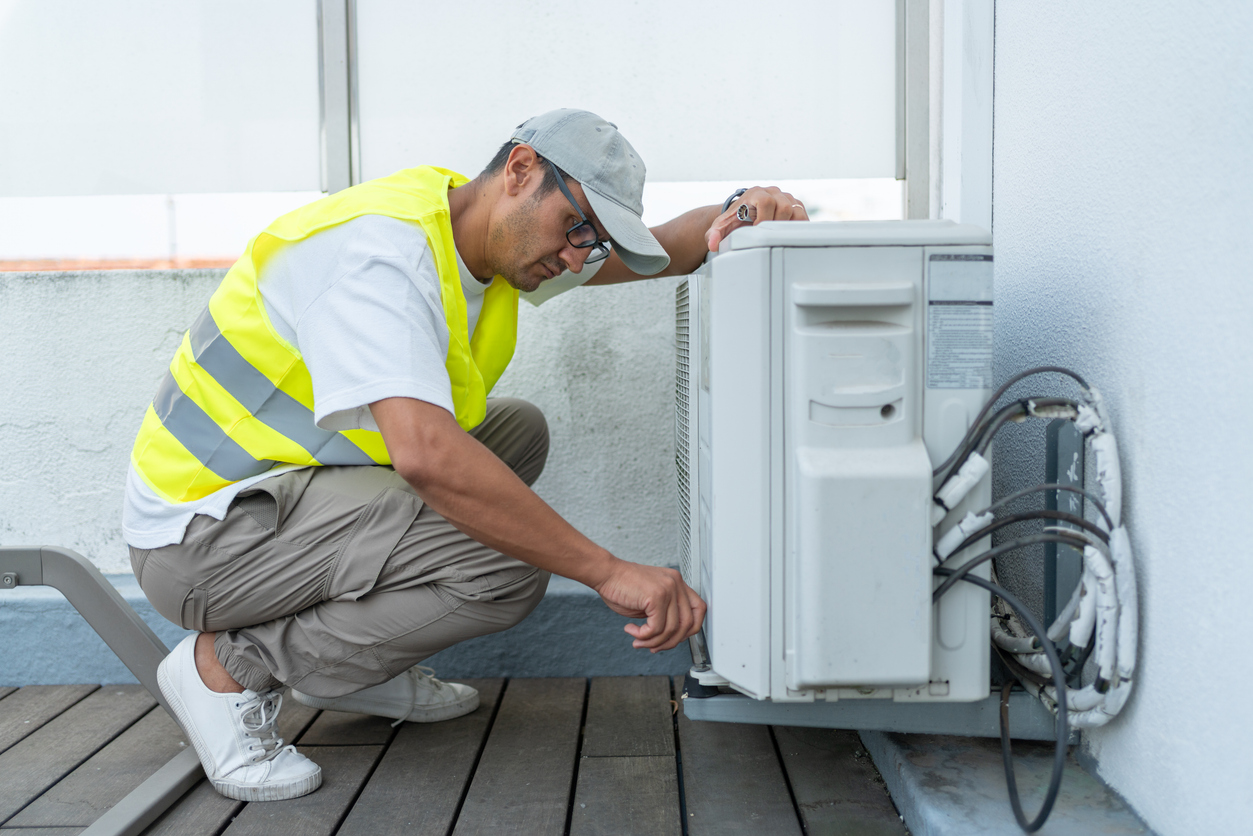
An HVAC system that won’t start is one of the most urgent comfort problems a homeowner can face — whether it’s a furnace, air conditioner, or heat pump. This guide walks you through safe, step-by-step DIY checks, common component failures, and clear signs that it’s time to stop troubleshooting and call a professional. You’ll learn how to confirm thermostat settings and batteries, safely check breakers and disconnects, recognize fan motor, capacitor, ignition, and refrigerant issues, and identify warning signs that require expert diagnostics. The guide lays out practical first steps, component-level causes with quick-reference tables, preventive maintenance tips, and financing-friendly replacement options. Read on to get your heat or cooling back quickly, reduce downtime, and know exactly how to reach a local professional if a service visit is needed.
Begin with the simple, safest checks that remove the most common reasons a system won’t power up. A straight‑forward routine saves time and reduces risk by ruling out thermostat, power, and airflow issues before moving on to electrical or mechanical troubleshooting. Follow these checks in order and stop immediately if you smell smoke, see flames, or notice visible electrical damage — those conditions need professional attention. These steps are designed to protect your home and help you decide whether to continue DIY checks or schedule a professional inspection.
The most effective quick-check sequence:
These initial checks resolve the majority of “no start” calls and give you clear next steps. If the system still won’t run, schedule a diagnostic with a local HVAC provider — call the number listed by your trusted contractor to arrange an inspection and safe repairs.
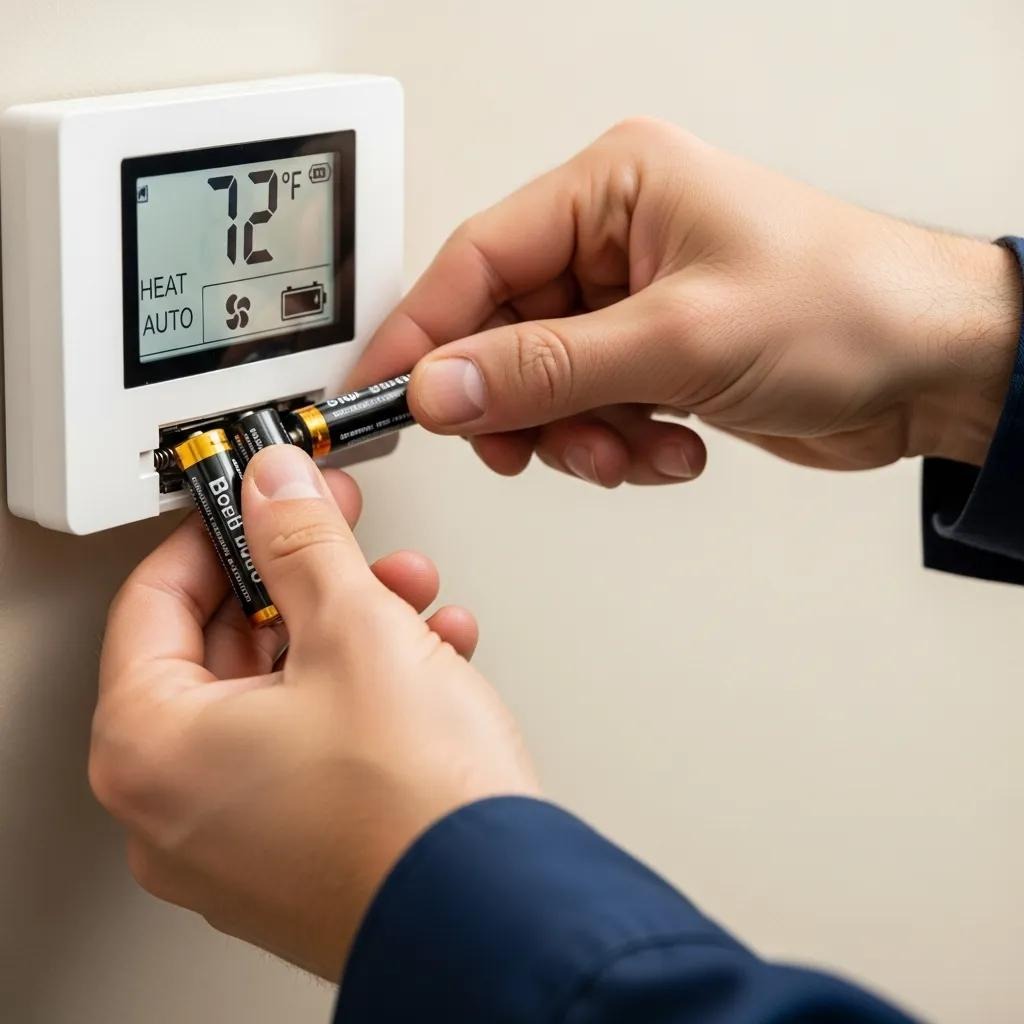
The thermostat is the command center for your HVAC. A wrong mode or dead batteries can prevent the system from receiving a start signal. Common issues are the thermostat set to OFF, heat/cool crossover errors, or a blank screen from dead batteries or low-voltage wiring faults. Replace batteries, check that schedule or hold settings aren’t overriding your commands, and change the setpoint while listening for the system to respond. If the thermostat stays unresponsive with fresh batteries, there may be a wiring or control-board issue that needs professional electrical diagnostics.
Testing the thermostat is a quick way to separate control problems from equipment failures. If the display is blank but household circuits seem powered, the issue is likely thermostat power or wiring rather than the furnace or outdoor unit. After checking the thermostat, inspect the home’s electrical protection devices serving the HVAC.
Circuit breakers and service disconnects feed power to indoor and outdoor HVAC components. A tripped breaker or turned-off disconnect is a common cause of no-start conditions. Locate the correct breaker by label or by spotting one in the middle or OFF position; switch it fully OFF then ON to reset. Check the indoor furnace/air handler power switch and the outdoor AC disconnect; ensure fuses or switches in the disconnect enclosure are intact. If a breaker trips repeatedly after resetting, stop and call a technician — persistent trips indicate an electrical or motor fault that can be hazardous.
If resetting restores power but the breaker trips again, arrange for a technician to measure current draw and inspect motor components. Recurrent trips usually signal a serious issue like a seized motor, shorted compressor, or wiring degradation that requires specialist tools and safety procedures.
Even when thermostat and power checks pass, component failures can prevent startup. Knowing the parts helps match symptoms to likely causes and decide when to call a pro. Key troublemakers include the fan motor, start/run capacitors, furnace ignition systems, and the refrigerant circuit (compressor and controls). Each part shows distinct audible, visual, and performance clues you can use to narrow the problem.
Quick-reference table to match symptoms with likely issues and actions:
This table helps you prioritize safe actions and recognize when trained technicians should take over. When signs point to electrical or gas hazards, rely on professional diagnostics and repair to restore safe operation.
Fan motors and start/run capacitors power indoor blowers and outdoor fans. Failures usually sound like a hum with no rotation, slow or erratic starts, or visible overheating. A bad capacitor prevents the motor from getting initial torque, causing humming and sometimes a burning smell. A seized motor won’t turn even with a good capacitor and may show scorch marks. Because replacing capacitors or motors requires lockout/tagout procedures, capacitor discharge precautions, and electrical testing, these jobs are best left to qualified technicians. If you smell burning or see smoke, power off the system and call for service immediately.
Sometimes a capacitor replacement restores normal operation quickly; a failing motor or worn bearings will need full motor replacement. Technicians test capacitance and motor amperage to confirm the root cause before replacing parts.
Furnace ignition systems — from standing pilot setups to modern electronic igniters — are critical for burners to light. Failures show up as clicking without flame, repeated ignition attempts followed by lockout, or no ignition at all. A standing pilot can go out from drafts or a bad thermocouple; electronic igniters can crack or fail electrically. Because ignition systems involve gas flow and combustion, DIY repairs risk carbon monoxide, gas leaks, or fire. Shut down the appliance and call a professional. Technicians perform safe gas-valve checks, igniter resistance tests, and combustion analysis to get the system back to reliable operation.
Quick professional attention prevents repeated lockouts that can damage control boards and prolong downtime. Proper diagnostics tell the difference between a simple sensor replacement and a larger gas-system repair.
Low refrigerant from a leak prevents the air conditioner from building the pressures and temperatures the compressor needs to run. That can cause the compressor to fail to start, create hissing noises, or produce ice on the suction line. Leaks also lead to short-cycling or safety cutouts that stop startup attempts. Because refrigerant handling is regulated and needs certified recovery and leak-detection equipment, DIY recharges without fixing the leak are unsafe and unlawful. The right course is leak detection and repair by a certified technician, followed by proper evacuation and recharge to manufacturer specs.
Look for oil stains, bubbling around service ports, or frozen coils — these are strong signs of a leak and should prompt a professional leak search to avoid compressor damage.
Some signs mean stop troubleshooting and call an HVAC professional right away — safety and limiting further damage are the priorities. If you detect burning smells, smoke, visible leaks, repeated breaker trips, or loss of gas or refrigerant control, those conditions require immediate attention. Professional diagnostics identify the root cause, ensure correct replacement parts, and verify safety before returning the system to service. For homeowners in Fenton, MO and nearby St. Louis and Jefferson Counties, local emergency HVAC repair teams can respond to urgent no-heat or no-cool situations and safety hazards.
Urgent signs that need a technician now include:
Calling a professional ensures electrical, gas, and refrigerant safety checks happen before the system returns to service. To get fast diagnostics or emergency help, contact your local HVAC provider by phone and describe the symptoms so technicians can prioritize safety on arrival.
Warning signs that need expert evaluation include persistent burning odors, visible electrical arcing, frequent breaker trips, fluid leaks, or continued lack of heating or cooling after basic checks. Delaying service can increase repair complexity and cost — for example, a damaged compressor or ignition system can cause collateral failures. Professionals use calibrated tools to measure current draw, gas pressure, and refrigerant charge so they can identify exact failures rather than guess. Early intervention reduces the chance of emergency replacements and improves long-term reliability.
If you see any of these urgent indicators, power off the affected equipment when safe and call a technician immediately to avoid hazards like fire, carbon monoxide, or total system failure.
Professional HVAC repair combines precise diagnostics, quality replacement parts, and verification testing to restore safe operation and maximize equipment life. Technicians measure electrical amperage, test capacitors and motors, check ignition timing and combustion, and perform refrigerant pressure tests to confirm repairs before completing service. Proper repairs also help preserve warranties and include documentation and recommendations to guide future maintenance or replacement decisions. By following industry safety protocols and using calibrated tools, professionals reduce the risk of repeat failures and improve efficiency.
Reliable repairs typically mean lower energy use, fewer callbacks, and steadier performance — all of which extend system lifespan and protect occupant safety.
Local emergency HVAC services offer 24/7 diagnostics and repairs for conditions that threaten safety or leave a home without heat or cooling during extreme weather. Emergency responses focus on hazards like gas odors, smoke, or complete system outages and arrive ready to secure the site, isolate faults, and perform temporary or permanent repairs as needed. Response times vary with workload and scheduling, but dispatch teams prioritize immediate containment and safe restoration. When you call, describe symptoms and any audible or visible warnings to help crews triage the job.
If you need immediate assistance, contact your local HVAC provider by phone so they can dispatch technicians with the right tools and safety gear.
Routine maintenance prevents many wear-and-failure issues that cause no-start conditions by catching weak components, clogged filters, and electrical degradation early. A maintenance visit usually includes filter replacement, blower inspection, capacitor and motor checks, thermostat calibration, ignition and safety control tests, and refrigerant pressure checks for cooling systems. These proactive tasks reduce sudden failures, improve efficiency, and create a documented service history that supports warranty and replacement decisions. Maintenance agreements often include priority scheduling and discounts to make preventive care easier and more affordable.
Key maintenance tasks and benefits to prioritize seasonally:
Regular maintenance lowers emergency repairs and keeps systems running efficiently. Signing up for a maintenance plan gives scheduled visits and priority service that reduce the chance of unexpected no-start events.
Routine maintenance catches small problems before they become system-stopping failures by inspecting filters, testing capacitors, cleaning coils, and checking electrical connections. Clean filters and coils maintain airflow and heat transfer, preventing pressure switches or safety controls from shutting the system down. Electrical and component testing identifies weakening capacitors or motors before they fail at startup, reducing emergency callouts and extending equipment life. Because maintenance focuses on prevention, it often pays for itself through avoided repairs and better energy performance.
Consistent maintenance also creates records that help technicians spot recurring issues and recommend long-term fixes like targeted part replacements or system upgrades.
Hely Heating and Air Conditioning Co. offers maintenance agreements that include seasonal tune‑ups, priority scheduling, and special promotions to make preventive care more affordable. Plans bundle essential inspections and services so homeowners face fewer surprises and get faster response when problems arise. Promotions may lower the upfront cost for tune‑ups and include discounts on parts or labor during scheduled visits. To see current offers and enroll, contact Hely Heating and Air Conditioning Co. by phone or visit the promotions page on our website.
Choosing a maintenance plan with priority service helps ensure quicker response for urgent no-heat or no-cool situations and reduces unexpected downtime.
Consider replacement when a system repeatedly fails to start, repair bills keep rising, or comfort and efficiency no longer meet your needs — these are signs replacement may be more cost-effective than continual repairs. A new system delivers better reliability, higher efficiency, and modern controls that lower operating costs and improve comfort. Hely Heating and Air Conditioning Co. offers flexible financing to make upgrades more affordable, with partners like Wells Fargo, Service Finance, FTL Finance, and Synchrony Financial to help spread the cost. Talk with a technician about your repair history and energy goals to decide if repair or replacement gives the best long‑term value.
When you choose a new heating system, proper boiler installation and correct sizing are essential for efficiency and longevity. Our technicians ensure the new unit fits your home and integrates with your setup for reliable warmth year after year.
Financing reduces upfront cost and can align monthly payments with the energy savings from a more efficient system.
Addressing HVAC problems quickly keeps your home comfortable and safe, and knowing common causes can save time and repair costs. Follow the troubleshooting steps above and call a professional when you see the warning signs. If you’re thinking about an upgrade, explore financing options to make the switch easier. Contact Hely Heating and Air Conditioning Co. today to learn how we can help keep your HVAC system running reliably.

Building trust, one satisfied customer at a time. Read their stories.

Great experience! Would definitely recommend and will be using/referring in the future.

Wonderful service was here on short notice to help on a really hot day. I will be recommending and using for other properties.
Tim was efficient and knowledgeable. He explained everything he did and what the problems were. I would recommend them.
We have been using Hely for years. Professional, prompt and courteous service.
never have a need to call anyone else, they are the best, also refer a lot of people to them because they know how to treat people and get the job done with top quality service techs and office staff
Very helpful on installing my new thermostat. Assisted in set up too. We’ve used Hely for a very long time and will continue to do so. Have also had new furnace and A/C installed by Hely. Great staff
Amazing Service! They are great! Our AC went out after the 4th of July, and Tim came out that same day to repair our unit. He diagnosed the issue in less than 10 minutes, and had it fixed in less than 5. I am extremely grateful for their great service and quick resolution! I would highly recommend calling them!
Family has been using Hely for years. Always on time, polite, professional. Very responsive and they have an emergency line for when the weather is bad and you need help. Installed a new furnace and A/C for our new house within the last year and we're very happy.
They explained everything in terms that I could understand. The installers were very courteous & did a great job cleaning up. I highly recommend giving them a call.
They always come when called to service our heating & cooling system. Good prices, always fair and friendly service.
Never have a need to call anyone else, they are the best, also refer a lot of people to them because they know how to treat people and get the job done with top quality service techs and office staff
Korky has been working with our family for a long time. He is always so nice and efficient that we usually always hope to get him when we call you guys. He really cares for his customers and is always so professional. I’m really glad you have someone like korky on your team.